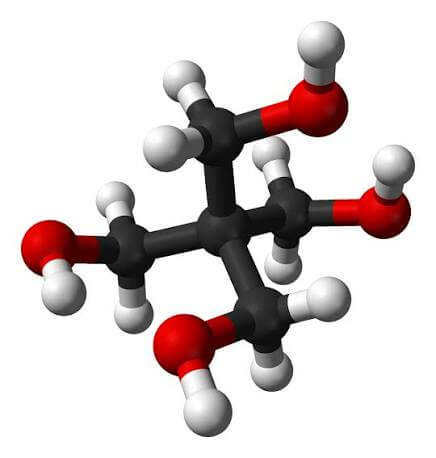
Our main products are Pentaerythritol, Dipentaerythritol, Tripentaerythritol, Sodium formate, Formic acid and Formaldehyde . These products are well accepted by customers at home and abroad because of their excellent quality and good price.
Comprehensive chemical services from R&D to global delivery, engineered for industrial excellence.
Custom synthesis and large-scale production of industrial chemicals with strict quality control.
Specialized formulation development tailored to your industry specifications and performance needs.
Worldwide shipping with full regulatory compliance, hazardous material handling, and timely delivery.
Years of Experience
Products Delivered
Countries Served
Quality Pass Rate
We integrate EHS principles into every process, ensuring responsible chemical production and environmental stewardship.
COMPLIANT
In alkyd resin production, pentaerythritol functions as a tetrafunctional primary alcohol that converts a predominantly linear or lightly branched polyester into a moderately hyperbranched film-forming network. The molecule supplies 4 equivalent hydroxyl groups per mole from the formula C(CH₂OH)₄, with a theoretical equivalent weight of 34.04 g/eq and a hydroxyl value of 1,648 mg KOH/g; the molar mass is 136.15 g/mol. The quaternary carbon in pentaerythritol contains no β-hydrogen atoms, which limits thermal dehydration and discoloration during esterification at 220–250°C, but the melting point of approximately 260°C means that pentaerythritol is not processed as a low-viscosity liquid; it is added as a solid, a molten feed, or a pre-dispersed slurry. In alkyd architecture, pentaerythritol raises the average functionality of the polyol component from the trifunctional glycerol baseline to a tetrafunctional branching unit. The practical result is that pentaerythritol permits a reduction in oil length while maintaining sufficient hydroxyl equivalents to esterify phthalic anhydride and monobasic fatty acids. Short-oil alkyds containing 25–40 wt% oil and medium-oil alkyds containing 40–55 wt% oil are the primary application ranges; long-oil alkyds above 60 wt% oil are less compatible because the high fatty acid content dilutes the polyol mass fraction and can force a hydroxyl-to-carboxyl equivalence below the stoichiometric target unless excessive pentaerythritol is added. Oil length is defined as the weight percentage of fatty acid or oil in the final non-volatile resin solids. Because pentaerythritol is tetrafunctional, it is not a drop-in replacement for glycerol on a weight basis. A medium-oil formulation at 50% oil length can be established on an equivalents basis with approximately 1.00 carboxyl equivalent of phthalic anhydride, 0.50 carboxyl equivalent of tall oil fatty acid, and 1.60 hydroxyl equivalents of pentaerythritol; this corresponds to roughly 20.0 wt% pentaerythritol, 27.3 wt% phthalic anhydride, and 52.7 wt% fatty acid in the non-volatile charge. The resulting hydroxyl-to-carboxyl ratio is approximately 1.07. The four primary hydroxyl groups are symmetrical and have similar reactivity, which produces more compact branching than glycerol, whose secondary hydroxyl is less reactive. This symmetry improves batch-to-batch reproducibility but also creates a sharper gelation boundary at high conversion.The fatty acid process is preferred for pentaerythritol-based alkyds because the alcoholysis route introduces phase separation and solubility constraints. Pentaerythritol has limited solubility in soybean oil and linseed oil at the alcoholysis temperature of 220–240°C; unless it is added in small increments under strong agitation, the solid particles can settle, sublime, or form localized ester-rich domains that later crosslink into gel particles. In production-scale reactors of 10,000–20,000 L, the fatty acid process charges technical-grade pentaerythritol, phthalic anhydride, and tall oil or soybean fatty acid together, usually with 2.0–3.0 wt% xylene as reflux solvent. The reactor is heated to 140–160°C to initiate esterification and then stepwise to 200–230°C. Overhead vapor temperature is held between 97°C and 105°C at atmospheric pressure to separate the xylene-water azeotrope; the decanter returns xylene to the vessel while water is removed. Acid value is sampled every 30–45 min once the value falls below 25 mg KOH/g on solids, and the batch is terminated when the acid value reaches 5–12 mg KOH/g and the Gardner-Holdt viscosity reaches the target simultaneously. The fatty acid process eliminates the methanol tolerance test used for glycerol alcoholysis because the partial ester mixture does not need to form a clear solution in anhydrous methanol. Inert gas blanketing is critical: oxygen concentration in the reactor headspace should remain below 2.0 vol% above 180°C, or oxidative polymerization of unsaturated fatty acids will increase viscosity and darken the resin toward Gardner 7. Agitator load is a useful early indicator; at constant speed, an 8–12% increase in agitator current over 15 min can precede a jump from Gardner Z2 to Z5 in pentaerythritol-rich systems. The preferred agitator configuration is a helical ribbon or double-flight turbine operating at 40–70 rpm in large reactors, because high-shear dispersion is not required after the pentaerythritol has dissolved, but low-shear motion must prevent sedimentation of solid monomer before the temperature reaches 160°C.Esterification catalysts are not usually required for the fatty acid process because the acid species are free carboxyl groups; however, 0.05–0.15 wt% of a tin or titanate catalyst may be used in low-temperature short-oil systems to accelerate the final stage. Amine-based additives should be avoided in the reaction mixture because they form salts with residual carboxyl groups and increase water sensitivity in the cured film. The batch is normally cooked to an acid value endpoint rather than a fixed time, because the presence of pentaerythritol increases the risk of late-stage gelation and batch-to-batch oil variation shifts the required cook time by 30–60 min.Prior to charging pentaerythritol into a production alkyd reactor, the raw material specification is matched to the esterification kinetic requirements. Technical-grade pentaerythritol with a minimum monopentaerythritol content of 98.0 wt% is preferred; dipentaerythritol content above 2.0 wt% is a known source of erratic gelation because dipentaerythritol contributes 6 hydroxyl groups per molecule and a molar mass of 254.28 g/mol, shifting the effective functionality upward even when the net hydroxyl value appears within specification. Moisture content above 0.10 wt% is controlled by closed silo storage under nitrogen; moisture entering the monomer feed can accelerate hydrolysis of partial esters and increase acid value endpoint variability. Ash content is limited to 0.05 wt% maximum because alkali metal residues from pentaerythritol synthesis may catalyze ester exchange and color-body formation. In the reactor, pentaerythritol is charged through a screw feeder or glove port at a rate that avoids dusting; pentaerythritol fines can form combustible dust clouds, so dust collection systems are required. The melting point of approximately 260°C is above the normal esterification plateau, so pentaerythritol does not melt before reacting; it dissolves gradually in the molten acid mixture. If the solids are charged too rapidly at temperatures below 150°C, particles can adhere to the vessel wall above the liquid level, decompose, and later contaminate the resin as yellow-brown particles that cannot be filtered. A common production procedure is to charge pentaerythritol at 110–130°C while the agitator is running, then heat to 160°C over 60–90 min. This staged heat-up limits the initial esterification exotherm, which can release water at a rate that overloads the overhead condenser. Reflux solvent is delayed until free water evolution begins, typically at 160–180°C; adding solvent earlier dilutes the reactants and slows heat transfer. High-shear dispersion is not required, but low-speed agitation at 40–70 rpm is maintained to prevent sedimentation in vessels of 10,000–20,000 L.Gelation boundaries in pentaerythritol alkyds are not linear with conversion. The Carothers gel point, expressed as pc = 2/favg, provides a first-order estimate but does not capture intramolecular cyclization or the nonrandom distribution of the tetrafunctional monomer. In a short-oil formulation where pentaerythritol, phthalic anhydride, and coconut fatty acid produce an average functionality between 2.1 and 2.4, the calculated critical extent of reaction ranges from 0.83 to 0.95. Because a final acid value of 8–12 mg KOH/g corresponds to a high esterification conversion, the operating window is narrow. Industrial batch records show that raising the hydroxyl-to-carboxyl ratio from 1.15 to 1.25 can shift the final Gardner viscosity at 60% non-volatile matter from Z3 to Z5 without changing the final acid value. At a ratio of 1.35, the batch can cross the gel point before the expected endpoint; the resin becomes nonfilterable and forms gel lumps on the agitator shaft and baffles. This is a property cliff-edge rather than a gradual thickening: viscosity rises slowly from Z1 to Z4 during the first 70–80% of acid conversion, then accelerates to Z7 or beyond within 15–25 min at 230°C. Each fully substituted pentaerythritol unit becomes a crosslink node connecting three or four phthalic anhydride fragments, while partially reacted pentaerythritol units still contain residual hydroxyls. The monobasic fatty acid has only one carboxyl group and acts as a chain terminator; therefore, higher oil length reduces the average functionality and shifts the gel point to higher conversion. A 55% oil medium-oil alkyd can tolerate a hydroxyl-to-carboxyl ratio of 1.20–1.30, whereas a 35% oil short-oil alkyd may be limited to 1.05–1.15. Stoichiometric errors of 1.0 mol% in pentaerythritol charging are therefore sufficient to move a short-oil formulation into gelation. Production-control strategies include pre-blending pentaerythritol with a portion of the fatty acid, calibrating load cells to a tolerance of ±0.5% of full scale, and using in-process cone-and-plate viscosity at 150°C to terminate the cook. The acid value endpoint alone is an insufficient safety control because residual acidity may be below specification while the molecular weight distribution contains a high-molecular-mass shoulder that is not detectable by bubble viscosity until the batch is near gelation. In plants where the same reactor alternates between glycerol and pentaerythritol formulations, residual glycerol in transfer lines or heel volumes can distort the hydroxyl-to-carboxyl ratio; purging with xylene or a low-viscosity alkyd intermediate is used to reduce cross-contamination below 0.5 wt% of the subsequent charge.Across a formulation ladder that varies pentaerythritol from 12.0 wt% to 24.0 wt% at constant oil length and phthalic anhydride content, resin properties do not scale linearly. The initial hydroxyl-to-carboxyl ratio changes by approximately 0.30 across the ladder, shifting the final molecular weight distribution and the balance between free hydroxyl content and acid end groups. The following matrix summarizes typical control ranges for three oil lengths in pentaerythritol-based alkyds at 60% non-volatile matter in xylene; the values are process-control ranges, not single-batch results.Oil length classPentaerythritol chargeHydroxyl-to-carboxyl ratioAcid value endpointGardner viscosity at 60% NVProcess noteShort oil 30–40%20–24 wt%1.05–1.206–12 mg KOH/gZ4–Z6Baking enamel; highest gel risk; stop cook by cone-and-plate viscosity at 150°CMedium oil 40–55%15–20 wt%1.10–1.255–10 mg KOH/gZ2–Z5Air-dry industrial enamel; xylene azeotrope at 2–3 wt%Long oil 55–65%10–15 wt%1.00–1.106–15 mg KOH/gZ1–Z3Architectural trim; limited use; monitor solids before 160°CFilm hardness and dry time of pentaerythritol-based alkyds correlate with increased branching density. In air-drying medium-oil systems, a 50% oil length pentaerythritol resin typically develops a König pendulum hardness of 35–55 oscillations after 7 d at 23°C and 50% relative humidity when tested according to ASTM D4366, while a glycerol-based analogue of similar oil length may reach 20–35 oscillations. The difference arises because pentaerythritol-derived films form a higher density of autoxidative crosslink sites; however, the same branching reduces segmental mobility and can lower flow. For short-oil pentaerythritol alkyds baked at 130–150°C with melamine-formaldehyde crosslinkers, the additional free hydroxyls and compact branched structure produce solvent resistance values above 200 MEK double rubs when tested according to ASTM D5402 in many industrial formulations, though published data for specific resin formulations is limited. Pencil hardness according to ASTM D3363 often increases by 1–2 pencil units when pentaerythritol replaces glycerol at equal hydroxyl excess. Flexibility, measured by conical mandrel bend in ASTM D522, is typically lower in pentaerythritol-rich short-oil resins because the higher crosslink density reduces elongation; pentaerythritol is therefore often blended with 10–30% glycerol or trimethylolpropane on a hydroxyl equivalent basis to retain impact resistance while gaining hardness.When the final cook temperature is held outside the 220–235°C band for pentaerythritol-based alkyds, the dominant risks are not merely color development but irreversible gel-particle formation and uncontrolled branching. At temperatures below 215°C, water removal slows because the xylene-water azeotrope still functions but the esterification rate constant declines by roughly 30–50% relative to 230°C; the batch may reach the target acid value while the molecular weight distribution remains underdeveloped. This produces a resin with low viscosity, poor film hardness, and residual unreacted pentaerythritol that can crystallize on cooling. Conversely, if the temperature exceeds 240°C for more than 20–30 min, pentaerythritol-derived structures undergo thermal ester exchange and dehydration reactions that generate acrolein-like odor and raise Gardner color above 7. The quaternary neopentyl structure of pentaerythritol is thermally robust but not inert; under prolonged exposure to 250°C in the presence of acid catalysts, dehydration can produce unsaturated intermediates that are prone to polymerization and gelation. Process-control records from production reactors commonly show that a 5°C overshoot at 245°C causes an increase of 0.5–1.0 Gardner color units per 15 min, and the acid value may fall below 4 mg KOH/g while the viscosity rises two Gardner tubes. Agitator load, condenser duty, and decanter water accumulation are used as early-warning variables. The heating medium temperature is maintained by a cascade controller on the jacket inlet, with a setpoint no more than 10–15°C above the batch temperature to avoid film scorching on the vessel wall. In a 12,000 L reactor, the maximum heat-up rate from 200°C to 230°C is often limited to 0.5–1.0°C/min because the esterification exotherm can add another 3–5°C of internal temperature rise if the heat-transfer oil is not throttled. Foaming is controlled by maintaining the headspace pressure slightly below atmospheric and by adding a silicone defoamer at 5–20 ppm based on total charge; excessive defoamer above 50 ppm can contaminate the final film by reducing intercoat adhesion. An oxygen level above 2.0 vol% at 230°C accelerates oxidative crosslinking of unsaturated fatty acid chains and can shift the molecular weight distribution into the gel region even if the acid value endpoint remains within specification; therefore, the nitrogen flow rate is set to deliver at least 1.0 reactor volume exchange every 2 h during the final cook stage.Once the cook is terminated and the resin is thinned, solvent selection follows the principle that higher branching requires stronger solvent blends to maintain stable viscosity. Aromatic hydrocarbons are used for high-viscosity short-oil resins; medium-oil resins are cut in xylene or a xylene/n-butanol blend at 10–20 wt% alcohol to reduce viscosity and improve pigment wetting. The resin is cooled below 120°C before aromatic solvent addition and below 80°C before butanol addition to prevent flash vaporization and thermal shock that can cause local gel domains. The first solvent charge is added through a spray ring or dip pipe under strong agitation. Filtration through 20–50 µm bag filters or an inclined plate filter removes gel particles formed at the vessel wall or in the decanter return line. The filtered resin is sampled for release testing. Non-volatile matter is determined by ASTM D2369 or ISO 3251; acid value is determined by ASTM D974; Gardner color is measured by ASTM D1544; and viscosity is measured by ASTM D1545 at 25°C. The hydroxyl value of the finished resin is checked by ASTM D4274 to confirm that pentaerythritol has been incorporated and that the free hydroxyl content falls within the expected range. Free hydroxyl content is not a substitute for the acid value endpoint because partially esterified pentaerythritol species with residual hydroxyls remain soluble and can escape detection by simple acid value measurement.At resin release, compliance verification typically includes the following standard methods and control limits for a 50% oil length pentaerythritol alkyd supplied at 60% non-volatile matter. The table reflects release criteria used in solvent-borne industrial and architectural alkyd resin specifications, not a regulatory limit.PropertyTest methodTypical control range or limitUnitNon-volatile matterASTM D2369-2059.0–61.0wt%Acid value, solids basisASTM D974-14e25–10mg KOH/gGardner-Holdt viscosityASTM D1545-13Z2–Z5Gardner tubeGardner colorASTM D1544-18≤6Gardner unitsDensityASTM D1475-131.02–1.06g/cm³Hydroxyl valueASTM D4274-2190–140mg KOH/gFlash pointASTM D56-16a>28°CVOC contentASTM D3960-18330–380g/LThe primary operational boundary for pentaerythritol-based alkyds is moisture control during monomer storage and solvent thinning. If the reactor is opened for sampling at high frequency without nitrogen purging, moisture condensation in the vapor space can hydrolyze partial esters and produce free phthalic acid, which raises the apparent acid value and can delay cook termination. Headspace sampling ports with nitrogen-purged quills are used to avoid this contamination. Pentaerythritol-based short-oil resins should not be combined with strongly basic pigments such as zinc oxide or calcium carbonate in high-loading grinds unless the pigment is surface-treated; the residual carboxyl groups can react with the basic pigment surface and cause a marked increase in mill base viscosity. Amine-based additives should be avoided in the resin solution itself because they can form salts with the residual acid groups and increase water sensitivity in the cured film. The resin should also be stored under nitrogen-blanketed tanks at 25–35°C; extended storage above 40°C can accelerate ester exchange and slowly raise the Gardner viscosity by more than 0.5 tube per month. These limitations are inherent to the high-branching architecture of pentaerythritol alkyds and are controlled by the same raw material and process discipline used for other high-functionality polyols in polyester resin production.
Pentaerythritol (CAS 115-77-5) and dipentaerythritol (CAS 126-58-9) are both crystalline neopentyl polyols recovered from base-catalyzed condensation of acetaldehyde and formaldehyde, but they differ in molecular architecture, hydroxyl functionality, melting behavior, solubility, and the performance limits of their downstream derivatives. Commercial pentaerythritol is the tetrafunctional monomer C5H12O4 with molecular weight 136.15 g/mol, theoretical hydroxyl number 1648 mg KOH/g, and hydroxyl equivalent weight 34.04 g/eq; commercial dipentaerythritol is the formal ether-linked dimer C10H22O7 with molecular weight 254.28 g/mol, theoretical hydroxyl number 1324 mg KOH/g, and hydroxyl equivalent weight 42.38 g/eq. Although dipentaerythritol has a lower hydroxyl number per unit mass, it contributes six primary hydroxyls per molecule versus four for pentaerythritol, which raises the average functionality and shifts the gel point, crosslink density, and final network topology in polyester, alkyd, polyurethane acrylate, and rosin ester systems. Both polyols share the neopentyl carbon framework that removes β-hydrogen atoms from the ester derivatives and imparts hydrolytic and oxidative stability, but the central ether linkage in dipentaerythritol introduces a flexible spacer which reduces melting point and typically broadens the melting endotherm in technical material. These structural distinctions produce separate processing windows, formulation constraints, and regulatory specifications for the two compounds.Pentaerythritol melts in the range 258–262°C under pure-component conditions, whereas technical-grade dipentaerythritol commonly melts between 215–225°C and may exhibit a broader endotherm due to the presence of homologous polypentaerythritols. Differential scanning calorimetry at 10 K/min under nitrogen typically separates the two: pentaerythritol shows a sharp melt endotherm near 260°C followed by sublimation, while dipentaerythritol shows a lower onset with a shoulder that reflects impurity segregation. Water solubility differs by more than an order of magnitude; supplier data commonly list pentaerythritol solubility at 25°C around 6.9 g/100 mL and dipentaerythritol solubility below 0.5 g/100 mL. This solubility gap affects washing, recrystallization, and effluent handling in synthesis plants. Pentaerythritol’s higher water affinity also makes it more prone to storage caking under humid conditions, whereas technical dipentaerythritol remains free-flowing for longer at relative humidity up to 60% RH. For melt processing, the difference in melting point means that pentaerythritol requires higher jacket oil temperatures and more careful temperature control to avoid sublimation losses, while dipentaerythritol can be melted at lower temperatures but has a higher melt viscosity because of its larger molecular mass and six associating hydroxyl groups. Thermal gravimetric analysis of pentaerythritol shows mass loss beginning near the melting point due to sublimation rather than decomposition, while dipentaerythritol degrades more gradually above 300°C because the central ether link can undergo homolytic cleavage. These thermal boundaries govern choice of reactor surfaces, vacuum systems, and drying equipment in downstream derivative production.PropertyPentaerythritolDipentaerythritolCAS registry number115-77-5126-58-9Molecular formulaC5H12O4C10H22O7Molecular weight136.15 g/mol254.28 g/molTheoretical hydroxyl functionality46Hydroxyl equivalent weight34.04 g/eq42.38 g/eqTheoretical hydroxyl number1648 mg KOH/g1324 mg KOH/gMelting range258–262°C215–225°CWater solubility at 25°C~6.9 g/100 mL~0.3 g/100 mLIn alkyd resin synthesis, pentaerythritol and dipentaerythritol are reacted with fatty acids, rosin, and phthalic anhydride in a staged addition sequence, with reactor temperatures between 220–250°C and acid value driven below 10 mg KOH/g under xylene azeotropic reflux according to ASTM D1639. Pentaerythritol raises the gelation risk in short-oil formulations because the tetrafunctional monomer creates rapid branch growth; dipentaerythritol at equivalent solids can delay gelation due to its higher molecular weight and more flexible ether spacer, allowing a longer processing window and lower final acid value before viscosity reaches the reactor torque limit. Production-scale alkyd kettles with 10,000–30,000 L capacity are typically equipped with partial condensers, Dean-Stark separators, and variable-speed turbine agitators; when pentaerythritol is replaced by dipentaerythritol in a medium-oil formulation, the batch can often be processed to an acid value 2–4 mg KOH/g lower without crossing the critical viscosity threshold, depending on oil length and fatty acid composition. The higher functionality of dipentaerythritol also increases the branching density of the cured film, which raises pendulum hardness and improves gasoline resistance but can reduce impact flexibility if the resin is not plasticized with an appropriate long-chain fatty acid fraction. Process operators must adjust the alcoholysis stage because dipentaerythritol is less soluble in the early reaction mixture; pre-dissolution in warm solvent or extended alcoholysis time at 180–200°C is often required to avoid unreacted solids and filtration problems. Reactor overheads must be monitored for water removal rate as an indirect indicator of esterification progress, and batch records should log torque, acid value, and Gardner bubble viscosity at fixed intervals to establish the gelation frontier for a given polyol combination.Formulators of high-solids alkyd and polyester coatings requiring VOC content below 250 g/L or 200 g/L measured by ASTM D2369 must balance solution viscosity, film hardness, and pot life. Dipentaerythritol frequently replaces a portion of pentaerythritol because the six functional hydroxyls permit synthesis of resin with high branching while the ether-containing backbone reduces melt viscosity and improves solubility in oxygenated solvents. Viscosity measurements on cone-and-plate rheometers at 25°C and 10,000 s⁻¹ under ASTM D2196 show that DPE-modified resins can maintain application viscosity at higher solids than PE-based analogs, although the exact reduction depends on fatty acid source, acid value, and extent of transesterification. The trade-off is that the higher hydroxyl functionality of DPE accelerates crosslinking with melamine-formaldehyde or isocyanate hardeners; therefore, pot life after catalyst addition may shorten by 15–30 minutes in forced-drying systems. To avoid film haze caused by limited solubility in aliphatic hydrocarbons, coatings formulated with DPE require at least 5–10 wt% of a strong oxygenated tail solvent such as methyl ethyl ketone or diethylene glycol monobutyl ether, depending on resin solids and application method. The choice between the two polyols is therefore not simply a matter of hydroxyl number but rather a balance among VOC compliance, storage stability, film crosslink density, and solvent blend cost. In electrodeposition and UV-curable acrylate systems, dipentaerythritol hexaacrylate provides six acrylate groups per molecule and yields rapid cure with high modulus but may require reactive diluents to control viscosity and prevent brittleness.Polyol ester basestocks for refrigeration compressors and aviation turbines are manufactured from pentaerythritol or dipentaerythritol and short-chain fatty acids, typically C5–C9 linear or branched acids. The absence of β-hydrogen on the neopentyl carbons provides superior thermal oxidative stability compared with diesters, and the higher molecular weight of dipentaerythritol esters lowers volatility and raises viscosity index at comparable acid number. Kinematic viscosity at 40°C according to ASTM D445 can be adjusted from ISO VG 32 to ISO VG 68 by moving from pentaerythritol esters to dipentaerythritol esters, but the pour point and low-temperature solubility of the refrigerant pair must be verified using ASTM D97 and ASHRAE 97 sealed-tube stability tests. Residual acid number after neutralization is typically held below 0.05 mg KOH/g as measured by ASTM D974; residual hydroxyl number is controlled below 5 mg KOH/g to limit moisture affinity and metal corrosion. Dipentaerythritol esters have a distinct advantage where low evaporation loss is critical, such as high-temperature compressor discharge lines, because the larger molecule reduces the mass loss in NOACK volatility testing under ASTM D6375. The central ether linkage in DPE-derived esters can lower low-temperature viscosity relative to fully carbon-connected equivalents, but the effect is modest and depends on branching in the acid chain. Long-term hydrolytic stability is measured by sealed-tube aging with controlled water content and refrigerant, and both pentaerythritol and dipentaerythritol esters must pass limits for total acid number increase and metal catalyst pickup to qualify for commercial refrigeration service.Both polyols emerge from the same aqueous alkaline condensation of acetaldehyde and formaldehyde, but the product distribution is controlled by molar feed ratios, pH, temperature, and residence time. In continuous stirred-tank reactors operated at 30–50°C with formaldehyde-to-acetaldehyde ratios above 4:1, pentaerythritol is the kinetic and thermodynamic product; dipentaerythritol forms through etherification of two pentaerythritol units and accumulates when formaldehyde is depleted or when residence time is extended. Downstream purification uses multiple crystallization stages, rotary vacuum filtration, and hot-water washing; pentaerythritol is recovered as a mono-grade or mono/nitro grade with purity above 98 wt%, while technical dipentaerythritol is typically marketed at 85–90 wt% purity with the balance comprising pentaerythritol and higher polypentaerythritols. Residual formate and carbonate salts are washed to levels below 0.1 wt% ash, and residual formaldehyde is steam-stripped to below 0.01 wt% to meet industrial specifications. Because dipentaerythritol has much lower cold-water solubility, its purification consumes more wash water and requires careful control of crystallization cooling profiles to avoid producing a sticky, poorly filterable magma. In plants producing both grades, equipment sharing requires validated cleaning protocols to prevent cross-contamination of pentaerythritol into dipentaerythritol lots, which shifts melting point and hydroxyl number outside specification. The synthesis stream also produces formate salts and organic acids that must be neutralized, and formaldehyde off-gas is scrubbed before release, with residual formaldehyde monitored by colorimetric or chromatographic methods. Batch-to-batch variance in the aldol-Cannizzaro sequence affects the ratio of pentaerythritol to dipentaerythritol and must be tightly controlled to maintain downstream derivative purity.Analytical release of the two polyols is conducted against hydroxyl number, acid number, moisture, ash, color, and purity. Hydroxyl number is determined by esterification with acetic anhydride or phthalic anhydride reagent under reflux followed by back-titration with standardized sodium hydroxide according to ASTM D4274; the titration precision in a production quality-control laboratory is typically ±2 mg KOH/g. Karl Fischer titration using ASTM E203 controls moisture below 0.10 wt% for pentaerythritol and below 0.15 wt% for technical dipentaerythritol because higher residual moisture promotes caking and hydrolysis of ester derivatives during storage. Capillary gas chromatography after silylation with N,O-bis(trimethylsilyl)trifluoroacetamide allows purity determination for pentaerythritol and homologues in dipentaerythritol; high-performance liquid chromatography with refractive index detection is also used where the homologues are not fully resolved by GC. In technical dipentaerythritol, the tripentaerythritol content is typically limited to 5–10 wt% because higher levels increase melt viscosity and reduce solubility in esterification solvents. Color specifications are measured as APHA or Pt-Co units according to ASTM D1209, with pentaerythritol usually specified below 15 APHA after dissolution and dipentaerythritol below 50 APHA in a 50 wt% aqueous or solvent solution. These analytical boundaries are used by resin manufacturers to qualify incoming lots and to adjust reactor stoichiometry when the measured hydroxyl number deviates from the theoretical value due to homologues or residual moisture.When dipentaerythritol replaces pentaerythritol in intumescent coatings, the char-forming behavior changes because the carbon-to-hydroxyl ratio and water solubility differ. Intumescent systems based on ammonium polyphosphate, melamine, and a carbonific polyol rely on the dehydration and char expansion sequence; pentaerythritol is the conventional carbonific because of its high hydroxyl density and rapid esterification with phosphoric acid released from ammonium polyphosphate above 240°C. Dipentaerythritol brings six hydroxyls and a higher molecular mass, which can increase char residue and reduce the water solubility of the dried film, but it may also require higher dispersion temperatures during processing on high-speed dissolvers or three-roll mills. In solvent-borne intumescent formulations applied to structural steel and tested under EN 13501-1 or furnace curves derived from ASTM E119, the substitution of dipentaerythritol at 20–40 wt% of the polyol fraction has been reported to enhance char cohesion; published data for this specific configuration is limited, and full furnace testing is required because small changes in phosphorus-to-polyol ratio can alter intumescence height and insulation performance by more than 10%. Extrusion compounding of intumescent flame-retardant polypropylene on a 40:1 L/D twin-screw extruder with barrel zones below 200°C shows a narrow processing window because the ammonium polyphosphate decomposition onset is close to the polyolefin melt processing temperature; replacing pentaerythritol with dipentaerythritol can reduce screw torque and improve strand pelletization but can also increase melt pressure if the DPE particles are not pre-milled below 40 µm. The lower water solubility of DPE reduces polyol migration and surface bloom in humid aging, but the higher functionality can increase melt viscosity in the condensed phase and limits the maximum DPE loading in a given formulation. Processing operators must monitor melt temperature at the die, screw amperage, and pellet water temperature to prevent premature intumescence during compounding.Storage, handling, and regulatory classification also differ in a few practical respects. Both products are non-flammable solids under normal transport conditions and are not regulated as dangerous goods under the UN Model Regulations; however, pentaerythritol dust can form a combustible dust cloud with a minimum explosible concentration in air, and facilities handling micronized material must apply dust explosion protection according to NFPA 654 or ATEX local requirements. Dipentaerythritol technical grade has a lower dust explosion tendency due to its larger particle size and lower fines content in normal supply, but the same housekeeping standards are applied because the material can still form explosive mixtures when milled. Both substances are listed in the European inventory as EINECS 204-104-9 and EINECS 204-794-1, respectively, and are manufactured under REACH registration obligations; no harmonized classification for acute toxicity applies to either product. In food-contact applications, rosin esters prepared from pentaerythritol are evaluated under 21 CFR 175.105 for adhesives and 21 CFR 172.835 for specific food additive uses, but dipentaerythritol-based esters must be verified independently because the higher molecular weight and ether linkage change migration behavior. Operational storage limits for both materials are commonly set at ≤60% RH and ≤25°C to suppress caking, and pre-drying at 60–70°C for 4–8 h is required before bulk handling when moisture exceeds 0.1 wt%. Avoid combining pentaerythritol or dipentaerythritol with strong oxidizing agents, especially nitric acid or peroxides, because exothermic oxidation can generate formaldehyde and formic acid and lead to uncontrollable batch temperature rise.

Pentaerythritol, 2,2-bis(hydroxymethyl)-1,3-propanediol, C(CH₂OH)₄, CAS 115-77-5, is a tetrahydric neopentyl polyol with a molecular mass of 136.15 g/mol, theoretical hydroxyl content of 49.95 wt%, and theoretical hydroxyl number of 1648 mg KOH/g when calculated by acetylation or phthalation. The distinction between “technical grade” and “industrial grade” is not fixed by a single ISO specification; it emerges from supplier technical data sheets, regional standards such as GB/T 7815-2008, and the unit operations used to isolate pentaerythritol from the alkaline acetaldehyde-formaldehyde condensation mass. Technical grade typically corresponds to monopentaerythritol content of ≥98.0 wt%, moisture of ≤0.20 wt%, sulfated ash of ≤0.02 wt%, sodium formate of ≤0.10 wt%, and a sharp melting range of 260–262 °C. Industrial grade generally spans 86.0–92.0 wt% monoester content, with 5.0–10.0 wt% dipentaerythritol, moisture up to 1.0 wt%, sulfated ash up to 0.5 wt%, sodium formate up to 1.5 wt%, and a broadened melting range of 240–255 °C. These values are drawn from typical technical data sheet ranges and are reconciled with GB/T 7815-2008 for grades traded as 98.0, 95.0, 90.0, and 86.0. The grade choice determines not only raw-material cost but also reactor fouling, color stability, functionality distribution, catalyst deactivation, dust-explosion behavior, and final product viscosity. The following scenarios address those process-level differences in enough detail to distinguish when industrial-grade material is technically acceptable from when technical-grade material is required by ASTM, ISO, or OEM specification.Table 1 summarizes the specification ranges encountered across supplier documentation; the values are not universal contractual limits but represent the most commonly reported analytical windows.Typical pentaerythritol specification ranges for technical and industrial gradesParameterTechnical gradeIndustrial gradeReference methodMonopentaerythritol content≥98.0 wt%86.0–92.0 wt%Silylation GC, GB/T 7815-2008Hydroxyl number1620–1650 mg KOH/g1500–1600 mg KOH/gISO 14900:2017, DIN 53240-2Water content≤0.20 wt%≤1.0 wt%ASTM E203-16Sulfated ash≤0.02 wt%0.10–0.50 wt%ASTM D874Sodium formate≤0.10 wt%≤1.5 wt%Ion chromatography per supplier TDSMelting range260–262 °C240–255 °CCapillary method, supplier TDSPlatinum-cobalt color≤30 Pt-Co≤150 Pt-CoASTM D1209Analytically, the most critical measured difference is the concentration of monopentaerythritol because each increase of 1.0 wt% dipentaerythritol replaces a four-functional polyol with a six-functional ether-linked polyol and shifts the hydroxyl functionality upward while lowering the hydroxyl mass percentage. Hydroxyl number determined by ISO 14900:2017 or DIN 53240-2 cannot by itself distinguish a 98.0 wt% technical-grade material from a 92.0 wt% industrial-grade material if formals and linear polyol impurities are present; the two values may overlap within the 1600–1650 mg KOH/g window depending on the impurity package. Therefore, supplier certificates that state only hydroxyl number are insufficient for critical melt-phase esterification. Monoester content is typically established by silylation gas chromatography and is reconciled against hydroxyl value using the supplier’s internal mass balance. Moisture by ASTM E203-16 and sulfated ash by ASTM D874 indicate the effectiveness of recrystallization and washing; technical material is generally double-crystallized or crystallized from a dilute mother liquor to reduce sodium formate below 0.10 wt%, whereas industrial material may be sold as single-crystallized or centrifuge-washed material with 0.5–1.5 wt% sodium formate. In esterification reactors, sodium formate is particularly problematic because it can buffer the acid catalyst, promote salt formation, increase haze, and degrade color at temperatures above 240 °C.Neopolyol ester base stocks for synthetic refrigeration lubricants, hydraulic fluids, and aviation turbine oils are produced in 316L stainless steel or glass-lined reactors at 200–240 °C and absolute pressures from 1 kPa to 10 kPa. In these reactors, technical-grade pentaerythritol is charged with linear or branched C5–C10 fatty acids at an acid-to-hydroxyl molar ratio of 1.05:1 to 1.20:1; catalysts such as tin(II) oxalate or dibutyltin oxide are added at 0.05–0.10 wt% of the total charge. Residual sodium formate above 0.10 wt% creates an alkaline buffer that can promote soap formation, increase haze in the finished ester, and shorten filter cycles. Moisture above 0.20 wt% hydrolyzes the ester product and accelerates acid rebound during the stripping section. Technical-grade material with sulfated ash of ≤0.02 wt% by ASTM D874 permits the final ester to reach a total acid number below 0.05 mg KOH/g after wiped-film evaporation without excessive neutralization with aqueous sodium carbonate or citric acid. Kinematic viscosity at 40 °C and 100 °C is measured according to ASTM D445, viscosity index is calculated according to ASTM D2270, and low-temperature fluidity is screened with a rotational rheometer equipped with a −40 °C bath. If industrial-grade material is substituted, the reactor may require an additional filtration loop with 5–10 µm bags, and the ester batch may fail OEM total acid number limits of 0.05 mg KOH/g.Tall oil fatty acid esterification of industrial-grade pentaerythritol in a 10 m³ stainless steel alkyd reactor fitted with a reflux divider, decanter, and vacuum system demonstrates the functional consequence of dipentaerythritol drift. If the industrial grade charged contains 6–8 wt% dipentaerythritol, the effective hydroxyl functionality rises from 4.0 toward 4.4–4.6, which accelerates the increase in cone-and-plate viscosity at 150 °C and reduces the safe processing window before gelation when the acid number is still above 12 mg KOH/g. The reactor is typically operated with an anchor agitator at 25–40 rpm, inert gas sparge of 0.2–0.5 L/min per kg of charge, and 3–5 wt% xylene as azeotropic entrainer; the cook is stopped when acid number by ASTM D465 falls below 10 mg KOH/g and the viscosity stabilizes at 250–350 poise at 150 °C. If the dipentaerythritol content varies by more than ±2 wt% between lots, the same acid number endpoint produces a different viscosity and molecular weight distribution, and the subsequent alkyd let-down in mineral spirits may be off-spec. This is why industrial-grade pentaerythritol requires incoming lot testing by hydroxyl value and silylation gas chromatography before the batch sheet is approved. The unit cost advantage of industrial-grade material in low-cost architectural alkyds is frequently offset by the need for additional compensatory polyols such as trimethylolpropane or glycerin when the dipentaerythritol content drifts above 8 wt%.Rosin ester kettles for pressure-sensitive adhesives and hot-melt tackifiers are often operated at 260–290 °C under inert gas with pentaerythritol added in two or three equal portions to minimize sublimation losses. Sulfated ash from residual sodium formate and inorganic salts acts as a heterogeneous nucleation agent and can accelerate crystal formation in the ester product; it also contributes to higher Gardner color after a 6 h cook. Technical-grade pentaerythritol with sulfated ash of ≤0.02 wt% according to ASTM D874 is therefore specified when final rosin ester color must remain below Gardner 5 at 177 °C viscosity measured by ASTM D3236. Industrial-grade material with ash up to 0.5 wt% can still be used in low-color-noncritical tackifier applications, but the kettle requires more aggressive filtration through 5–10 µm bag filters and the color trajectory after 6 h at 275 °C is less predictable. In addition, sodium formate interaction with rosin acids can form sodium rosinate, which raises the acid number plateau and affects peel adhesion on untreated high-density polyethylene. Process data from hot-melt compounding lines demonstrate that changing from technical to industrial grade often moves the final melt viscosity from a target of 1200–1800 mPa·s to above 2000 mPa·s at 177 °C if the batch is not reformulated.Toluene-sulfonic acid-catalyzed esterification of acrylic acid with pentaerythritol to produce pentaerythritol triacrylate and tetraacrylate requires technical-grade monoester content of ≥98 wt% because lower-purity industrial material introduces dipentaerythritol-derived hexaacrylate species that raise crosslink density and reduce viscosity control. The reactor is a glass-lined 5 m³ batch vessel with air sparge at 0.5–1.0 L/min per kg, hydroquinone monomethyl ether inhibitor at 200–500 ppm by mass, and a reflux condenser set to maintain overhead toluene between 80 °C and 90 °C. Water of reaction is removed by azeotropic distillation, and the crude acrylate is neutralized with aqueous sodium hydroxide or sodium carbonate, washed, and stripped in a wiped-film evaporator at 70–90 °C and 10–50 mbar to achieve acid number below 5 mg KOH/g. Residual sodium formate in industrial-grade pentaerythritol can bind the sulfonic acid catalyst, requiring higher catalyst loadings and producing a darker product that fails the ≤50 Pt-Co color limit set by ASTM D1209. Technical-grade material avoids the high-shear filtration step that would otherwise be needed to remove insoluble sodium salts after neutralization. The resulting triacrylate/tetraacrylate mixture is adjusted to a viscosity of 600–1200 mPa·s at 25 °C and a hydroxyl value below 20 mg KOH/g before drumming.Table 2 maps the grade selection to the controlling impurity and the primary verification equipment or standard.Application-based grade selection for pentaerythritolApplicationPreferred gradeControlling impurityVerification equipment or standardAlkyd resin cookIndustrialDipentaerythritol 6–8 wt%Cone-and-plate viscometer at 150 °C; ASTM D465Rosin esterTechnicalSulfated ash ≤0.02 wt%ASTM D874; ASTM D3236 at 177 °CUV-curable acrylatesTechnicalSodium formate ≤0.10 wt%Wiped-film evaporator 70–90 °C; ASTM D1209Neopolyol ester lubricantsTechnicalMoisture ≤0.20 wt%316L reactor 1–10 mbar; ASTM D445; ASTM D2270Intumescent flame retardantTechnicalMelting range 260–262 °C40:1 L/D twin-screw extruder; UL 94Pentaerythritol tetranitrate feedstockTechnical high-purityDipentaerythritol ≤1.0 wt%Jacketed nitrator with ±2 °C control; private specificationWhen dipentaerythritol content exceeds 2.0 wt% of the pentaerythritol charge in a neopolyol ester lubricant batch, the resulting base stock exhibits a measurable shift in kinematic viscosity at both 40 °C and 100 °C by ASTM D445, a reduction in viscosity index computed by ASTM D2270, and altered pour point behavior due to the higher molecular weight and ether linkage of the dipentaerythritol ester. The esterification reactor is normally a 5–10 m³ 316L vessel with dual turbine agitators and a vacuum system capable of 1–10 mbar absolute; excess fatty acid is removed in a wiped-film evaporator, and the residual acid is neutralized or stripped to below 0.05 mg KOH/g. Technical-grade monoester of ≥98 wt% is therefore required for aviation turbine oil esters such as pentaerythritol tetraheptanoate or blends with trimethylolpropane esters. If the polyol feed contains 3–5 wt% dipentaerythritol, the finished ester may need a higher top-temperature distillation fraction and a greater proportion of short-chain fatty acid to hold −40 °C dynamic viscosity within the low-temperature limits of the relevant OEM specification. Hydrolytic stability measured by ASTM D2619 can also be affected because ether linkages in dipentaerythritol esters are generally less stable than neopentyl backbone esters under hot-water exposure. Technical bulletins for neo-polyol ester processes report that an increase from 1.0 wt% to 4.0 wt% dipentaerythritol in C8–C10 fatty acid esterification raised 40 °C viscosity by 6–10% and shifted viscosity index downward by 5–8 points; published data for this specific configuration is limited and the exact magnitude depends on the acid blend.Co-rotating twin-screw extrusion of an intumescent flame-retardant masterbatch based on pentaerythritol, ammonium polyphosphate, and melamine at a 1:2:1 mass ratio demands a narrowly melting technical-grade pentaerythritol because the processing temperature window in polypropylene is limited to 190–230 °C. If industrial-grade material with a depressed and broadened melting range is used, the polyol may soften prematurely and stick to the feed throat, causing feed blockage. The compounding line is typically a 40:1 L/D twin-screw extruder with side feed, screw speed of 300–400 rpm, and die plate temperature of 220–235 °C; the strand pelletizing section operates with water bath temperature below 30 °C. Before extrusion, pentaerythritol is tray-dried at 80 °C for 3 h at a bed depth not exceeding 5 cm. The resulting halogen-free formulation achieves UL 94 V-0 at 25–30 wt% total additive loading in polypropylene homopolymer after injection molding at 200–220 °C and 60–80 MPa injection pressure. Published data for specific pentaerythritol grades in this configuration is limited, but the evidence consistently points to moisture and dipentaerythritol as the main causes of feed instability and char morphology variability.Pneumatic conveying of pentaerythritol into resin or compounding plants is sensitive to the same grade differences. Technical-grade material with D50 150–250 µm and fines below 63 µm held to ≤5% by sieve analysis according to ASTM E11 conveying at 15–25 m/s air velocity shows minimal saltation in dense-phase lines, whereas industrial-grade material with residual moisture and higher fines can cake on the rotary airlock and require vibratory hopper pads. The bulk density of pentaerythritol is typically 0.60–0.80 g/cm³ depending on crystal habit; technical-grade material after grinding and air classification is more uniform, while industrial-grade material can contain agglomerates above 1 mm that cause feed rate oscillations in loss-in-weight feeders. Pelletized industrial grades can solve dusting but introduce additional compaction operations.Technical-grade pentaerythritol is often dried to ≤0.20 wt% water at the supplier and packaged in 25 kg multi-wall paper bags with a polyethylene liner, but storage in ambient conditions where relative humidity exceeds 60% leads to moisture uptake and caking. Silos and day bins should be purged with dry air at 0.5–1.0 m/s superficial velocity, and transfer lines should be grounded to avoid dust explosion hazards; dust control follows NFPA 654, with explosion venting designed according to NFPA 68. If a bulk truck or railcar arrives with surface moisture above 0.50 wt%, the material is transferred to a rotary vacuum dryer or fluid-bed dryer operating at 80–90 °C under 50–100 mbar absolute until the moisture criterion is restored. Wet pentaerythritol can bridge in screw feeders and cause oscillating feed rates to melt-phase reactors. In polyol-formaldehyde or alkyd operations where the esterification reactor is blanketed with nitrogen, the added water extends the heat-up cycle by 15–25 min per 1 wt% moisture at 150 °C reactor jacket temperature, and the acid number endpoint is delayed.Mixed-acid nitration of pentaerythritol to pentaerythritol tetranitrate is a specialized operation in which the monoester content and residual formaldehyde are controlled by the supplier specification because dipentaerythritol nitrated derivatives alter the oxygen balance and thermal stability of the final energetic material. Nitration plants use remote handling, jacketed stainless-steel nitrators with temperature control capable of maintaining the exotherm within ±2 °C, and the crude product is washed and recrystallized under strict safety interlocks. The pentaerythritol feedstock for this route is a high-purity technical grade, often with dipentaerythritol limited to ≤1.0 wt% and sodium formate below 0.05 wt%; however, published data for this specific configuration is limited because the applicable government authorizations and internal process specifications are not publicly available. The material is therefore purchased against a private specification that includes particle size distribution, moisture, and color, rather than against the generic industrial-grade description.